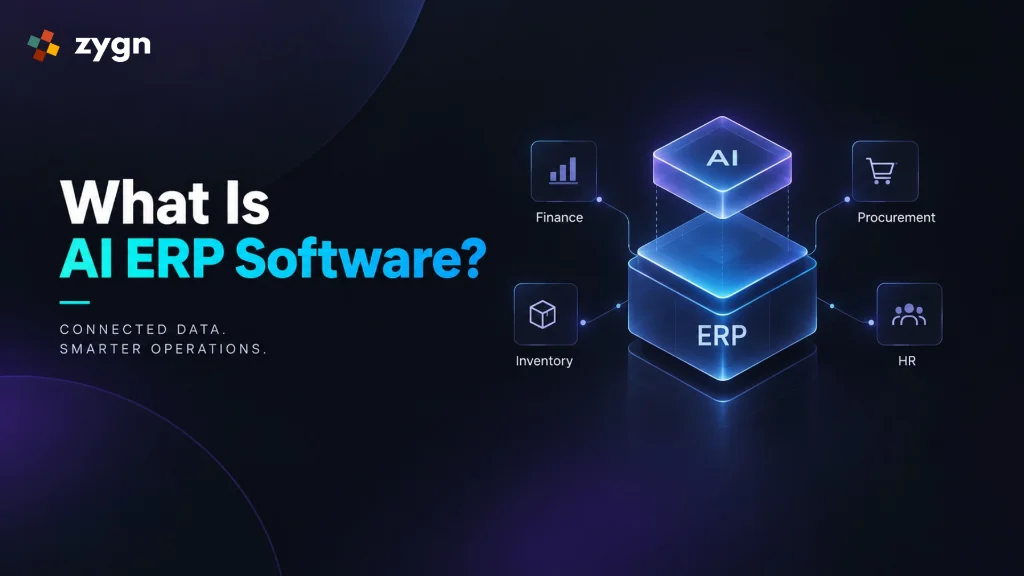
Most articles about "AI ERP software" are written for large manufacturers and finance teams evaluating systems like SAP or Oracle. If you run an interior design or design-build business, that conversation mostly doesn't apply to you - but the underlying question is still worth answering: what does AI actually add to an ERP, and does a business your size need it?
AI ERP Software, Defined
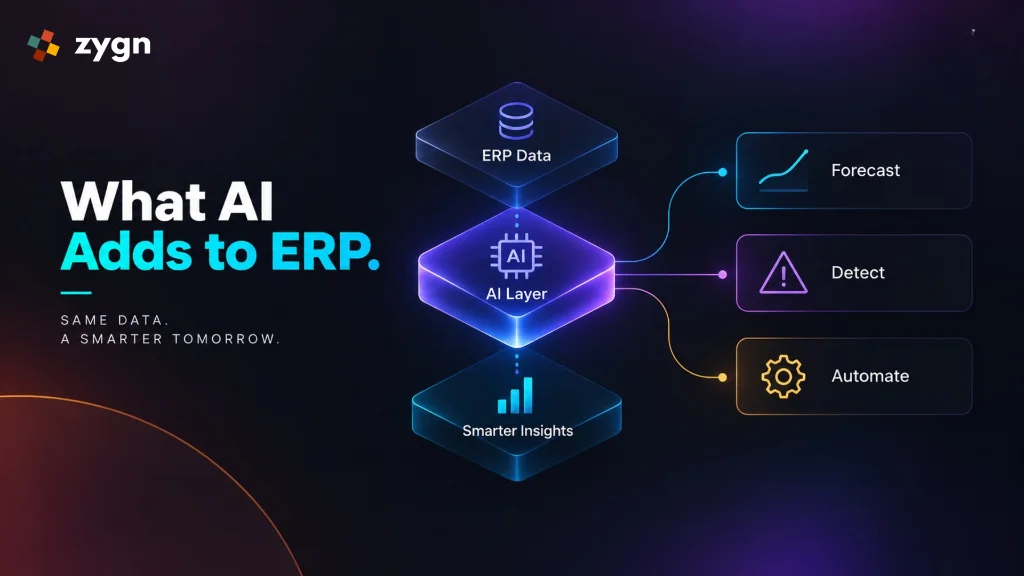
An ERP (Enterprise Resource Planning) system centralizes a business's core operations - finances, procurement, inventory, HR - in one platform instead of scattered spreadsheets and disconnected tools. "AI ERP" adds automation and, in more advanced systems, predictive capability on top of that centralized data: flagging anomalies, forecasting demand, or automating routine data entry and reporting.
How AI Is Typically Used in ERP Systems
In large enterprise ERPs, AI is most commonly applied to demand forecasting (predicting inventory needs based on historical patterns), anomaly detection (flagging unusual transactions or costs before they become a problem), and automation of repetitive processes like invoice matching or data entry. The common thread across all of these: AI works best when there's already a large, clean, centralized dataset to work from - which is exactly what an ERP is supposed to provide in the first place.
Do Small Interior Design Businesses Need an "AI ERP," or Just a Connected One?
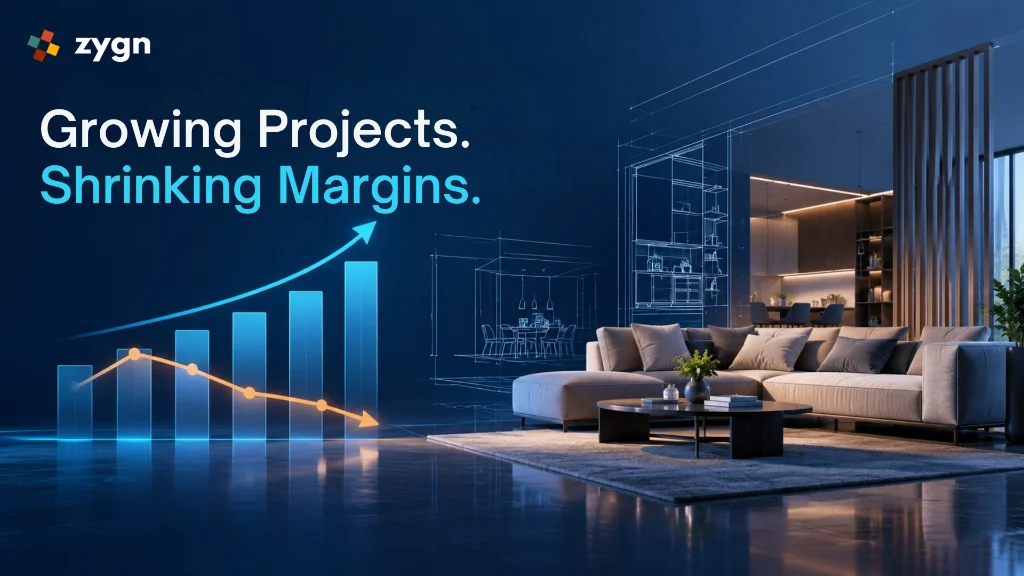
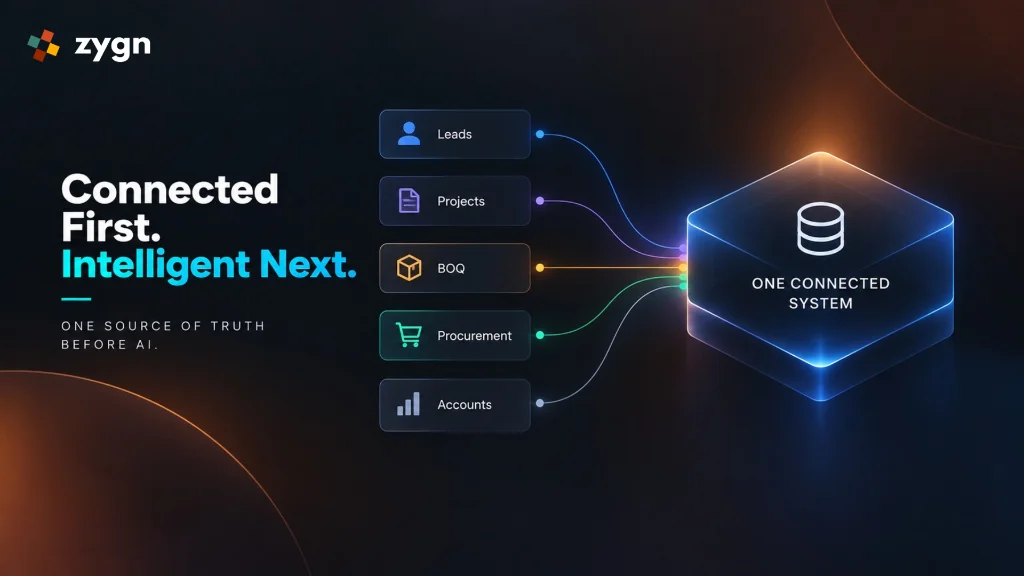
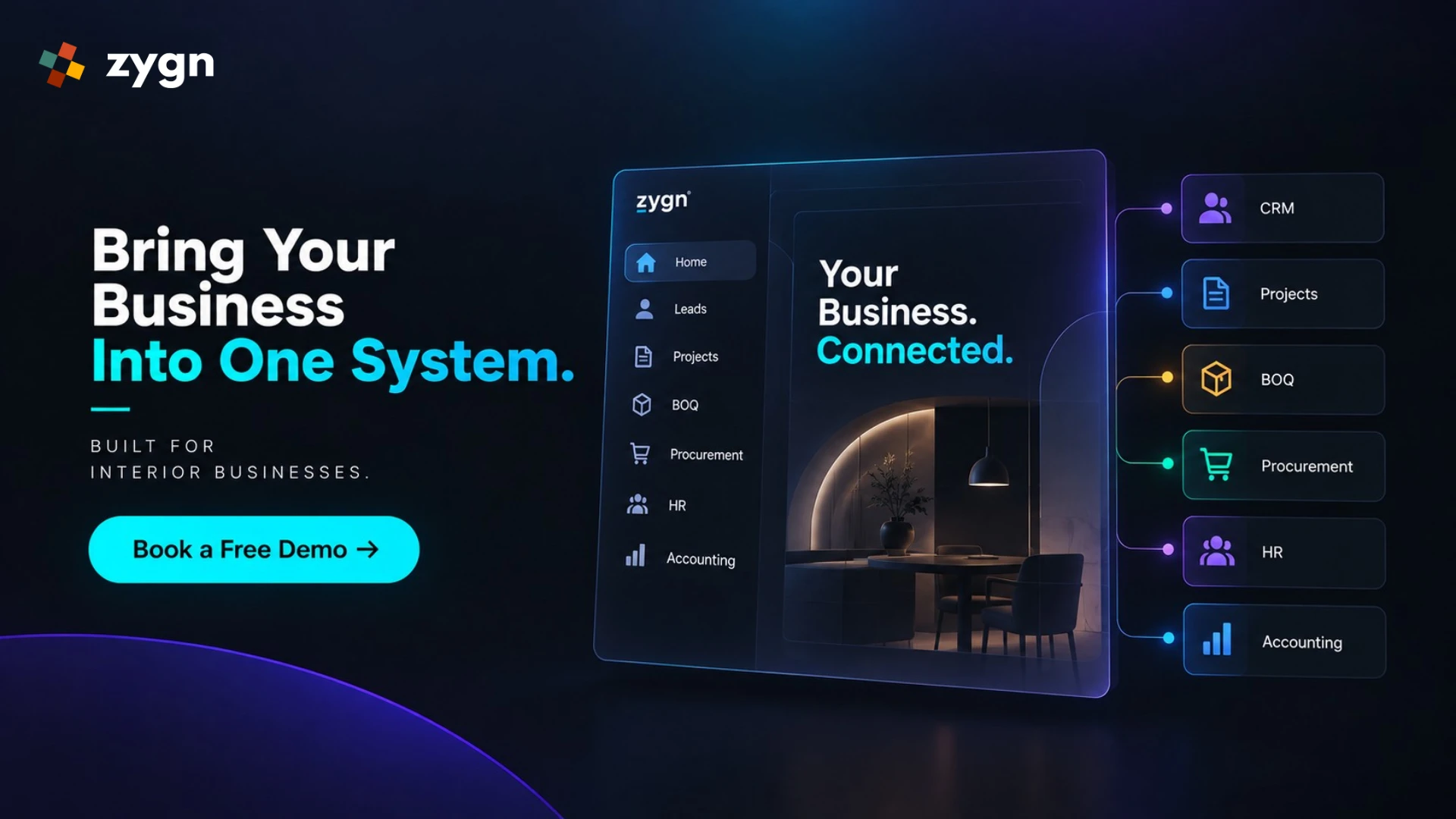
For most interior design and design-build businesses, the bigger problem isn't a lack of AI - it's that lead data, project data, BOQs, procurement and accounting live in four or five different tools that don't talk to each other. Before "AI ERP" is a useful question, "is my business data actually centralized" usually isn't. A connected ERP - even without predictive AI layered on top - solves the more urgent problem: one source of truth instead of five disconnected spreadsheets. This is the problem zygn's ERP for interior design is built to solve first.
ERP vs. AI ERP vs. All-in-One Business Platform - What's the Real Difference?
| Type | Core function | Best fit |
|---|---|---|
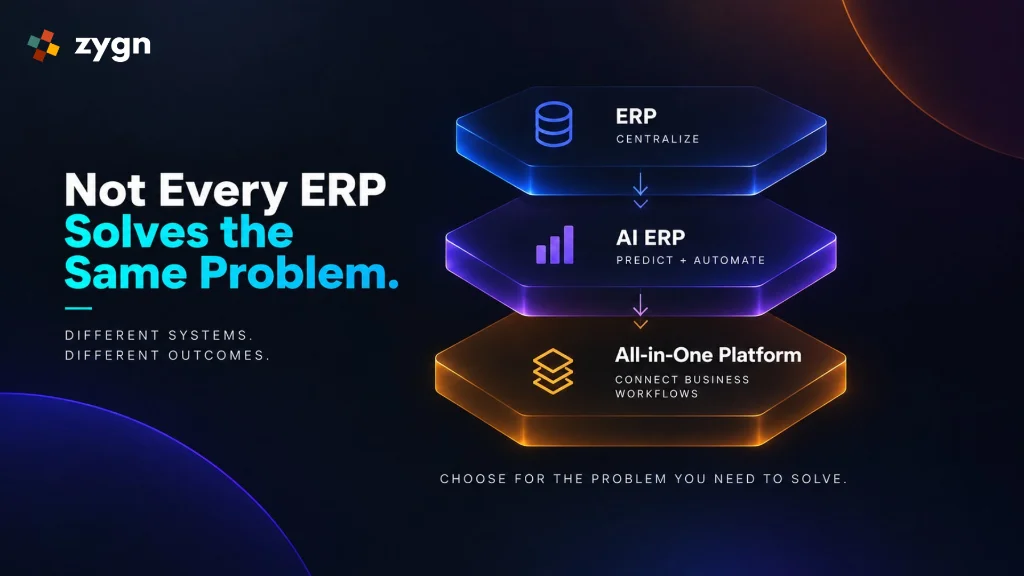
| Traditional ERP | Centralizes finance, procurement, inventory, HR | Businesses needing one system of record |
| AI ERP | Traditional ERP + forecasting/automation on top of centralized data | Larger businesses with enough transaction volume for predictive features to add real value |
| All-in-one business platform (like zygn) | ERP-style centralization built specifically for a vertical (e.g., interior design), plus CRM and project management in the same system | SMBs who need centralization and workflow-specific automation more than enterprise-scale forecasting |
Where zygn's ERP Capabilities Stand Today
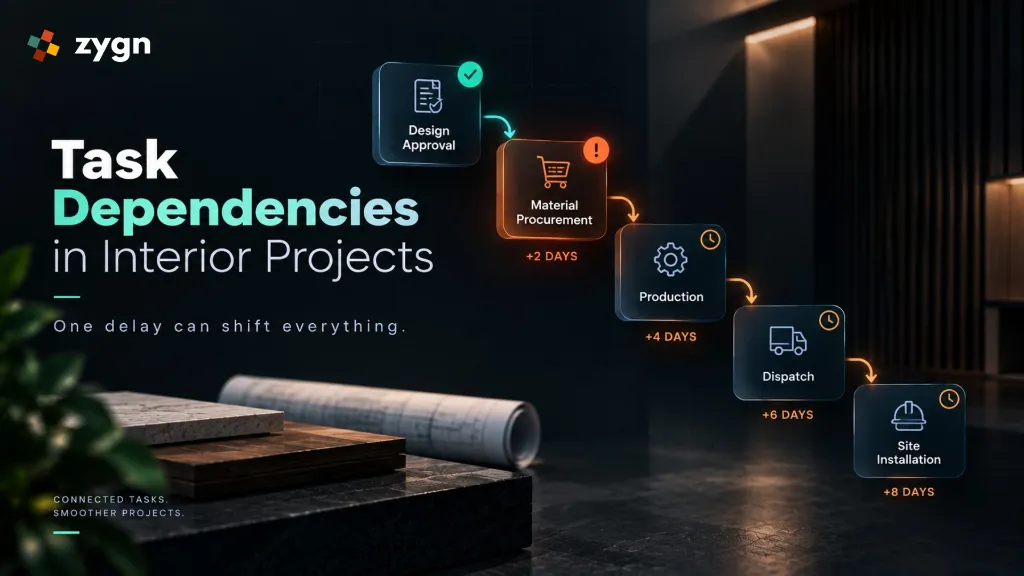
zygn's ERP-for-interior-design centralizes leads, projects, BOQ, procurement, HR and accounting in one platform, with automation built into the project management layer to reduce manual status-tracking. It's built specifically for how interior design and design-build businesses operate - not adapted from a generic enterprise ERP.
Frequently Asked Questions
Is AI ERP only for large enterprises?
Predictive AI features generally need a large volume of historical data to be genuinely useful, which is why they're most common in enterprise ERPs. Smaller businesses often get more immediate value from basic centralization and workflow automation than from predictive AI specifically.
What's the difference between ERP and AI ERP?
A traditional ERP centralizes core business operations in one system. An AI ERP adds automation and predictive capability - like demand forecasting or anomaly detection - on top of that centralized data.
Does zygn use AI in its ERP features?
zygn centralizes interior design business operations (CRM, projects, BOQ, procurement, HR, accounting) in one platform, with automation built into the project management workflow.
How much data does an ERP need before AI features become useful?
Meaningfully useful forecasting typically needs months to years of consistent, clean transaction history. Newer or smaller businesses often don't have that volume yet, which is one reason basic centralization tends to deliver more immediate value than predictive AI for younger companies.
What's the risk of choosing an ERP based on AI marketing alone?
The risk is paying a premium for a feature that isn't actually solving your core problem. Most SMBs' biggest ERP pain point is disconnected data across tools, not a lack of forecasting - so it's worth confirming a system solves that first, before weighing how advanced its AI features are.
Explore zygn's ERP for interior design businesses
Experience one connected platform designed specifically for interior design and design-build firms.
Book a Free Demo →