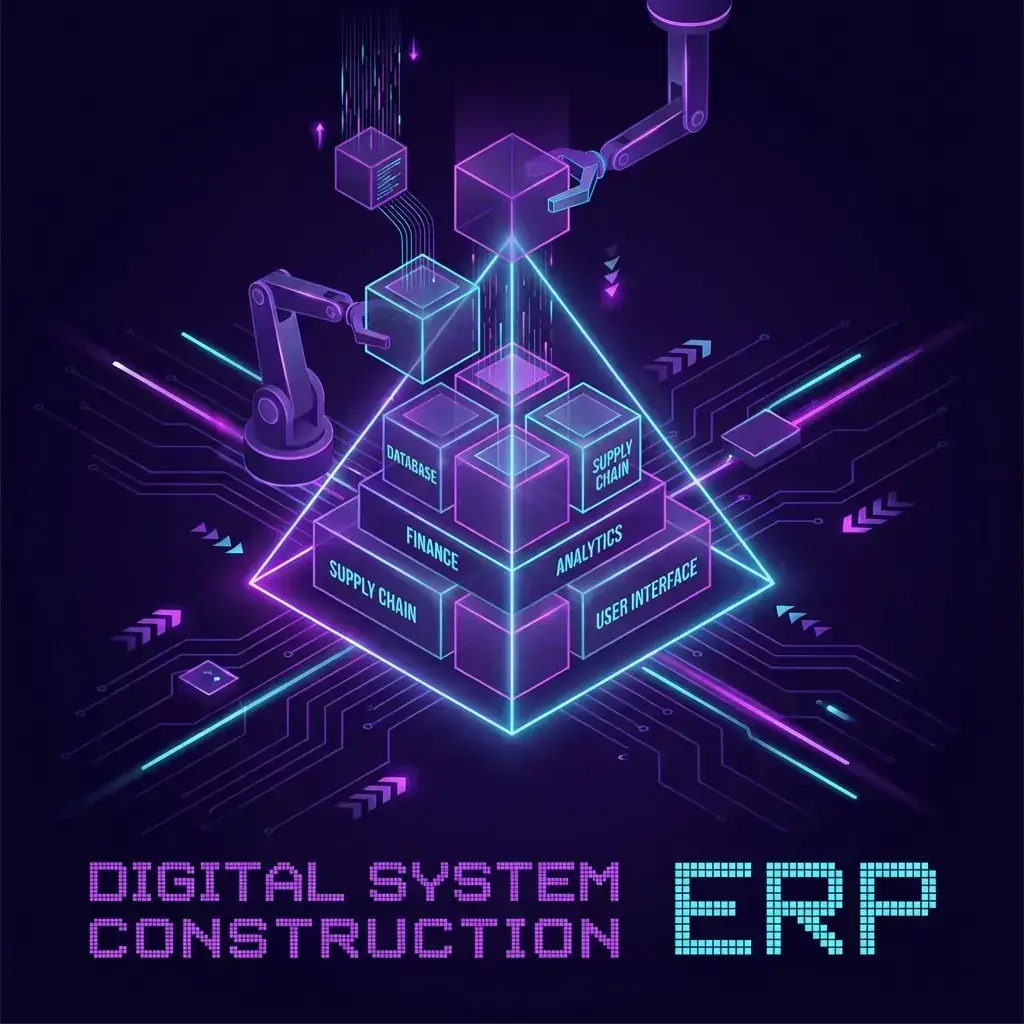
Enterprise Resource Planning (ERP) systems are the backbone of modern businesses. They integrate finance, HR, supply chain, sales, and customer management into one unified platform. While the benefits of ERP are undeniable, many companies underestimate the challenges of creating ERP software from scratch.
Challenges of Creating ERP Systems In-House
1. High Development Costs
Building ERP software requires significant investment in technology, skilled developers, and infrastructure.
2. Complexity of Integration
ERP must connect multiple departments-finance, HR, inventory, CRM, and more. Achieving seamless integration is technically challenging and time-consuming.
3. Customization vs. Standardization
Every business has unique processes. Balancing customization with scalability often leads to delays and inefficiencies.
4. Security & Compliance Risks
ERP systems handle sensitive data. Ensuring compliance with industry regulations and maintaining robust cybersecurity is a major hurdle.
5. Long Implementation Timelines
Developing ERP internally can take years, delaying the productivity gains businesses expect.
6. Maintenance & Upgrades
Once built, ERP requires continuous updates, bug fixes, and feature enhancements. This adds ongoing costs and resource strain.
Benefits of ERP Implementation for Businesses
Instead of building ERP from scratch, companies can implement proven ERP solutions that deliver immediate value. Here�s how ERP boosts growth and productivity:
- Streamlined Operations: Automates repetitive tasks, reducing manual errors and saving time.
- Real-Time Insights: Dashboards and analytics empower smarter, faster decision-making.
- Improved Collaboration: Centralized data ensures all departments work in sync.
- Scalability: ERP grows with your business, supporting expansion into new markets.
- Enhanced Customer Experience: Integrated CRM improves client communication and satisfaction.
- Cost Savings: Cloud-based ERP reduces IT overhead and eliminates the need for large development teams.
ERP as a Growth Engine
Companies that adopt ERP systems see measurable improvements in productivity, efficiency, and profitability. By leveraging ERP, businesses can:
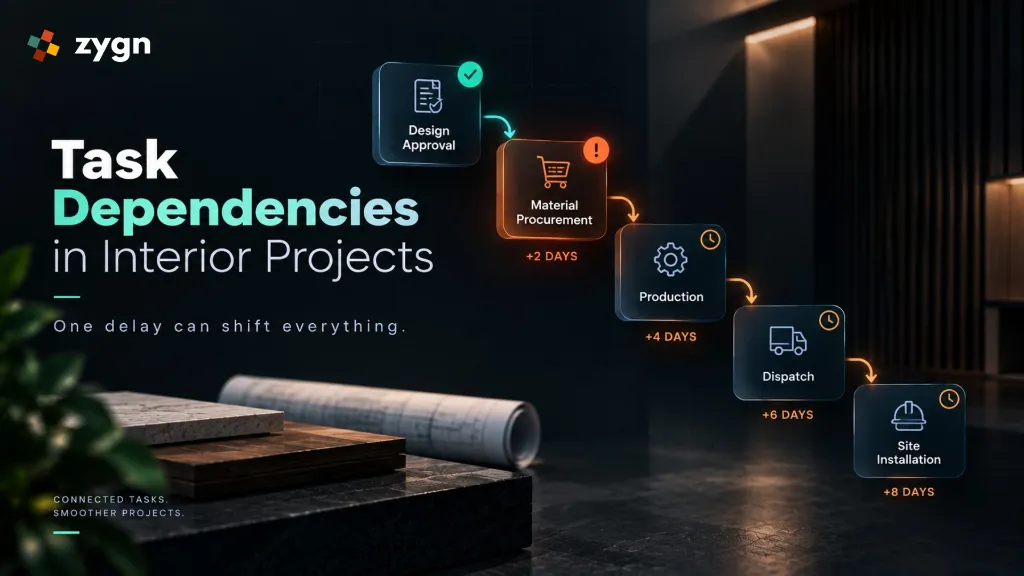
- Reduce project delays
- Improve employee accountability
- Optimize resource allocation
- Deliver projects on time and within budget
Final Thoughts
Creating an ERP system in-house may sound appealing, but the challenges of cost, complexity, and maintenance often outweigh the benefits. Implementing a ready-made ERP solution allows businesses to focus on growth instead of software development.
If you�re looking to boost productivity and streamline operations, our ERP solution is designed specifically to help businesses like yours succeed. Reach out to us today and let�s transform your business together.