What is ERP for SMBs?
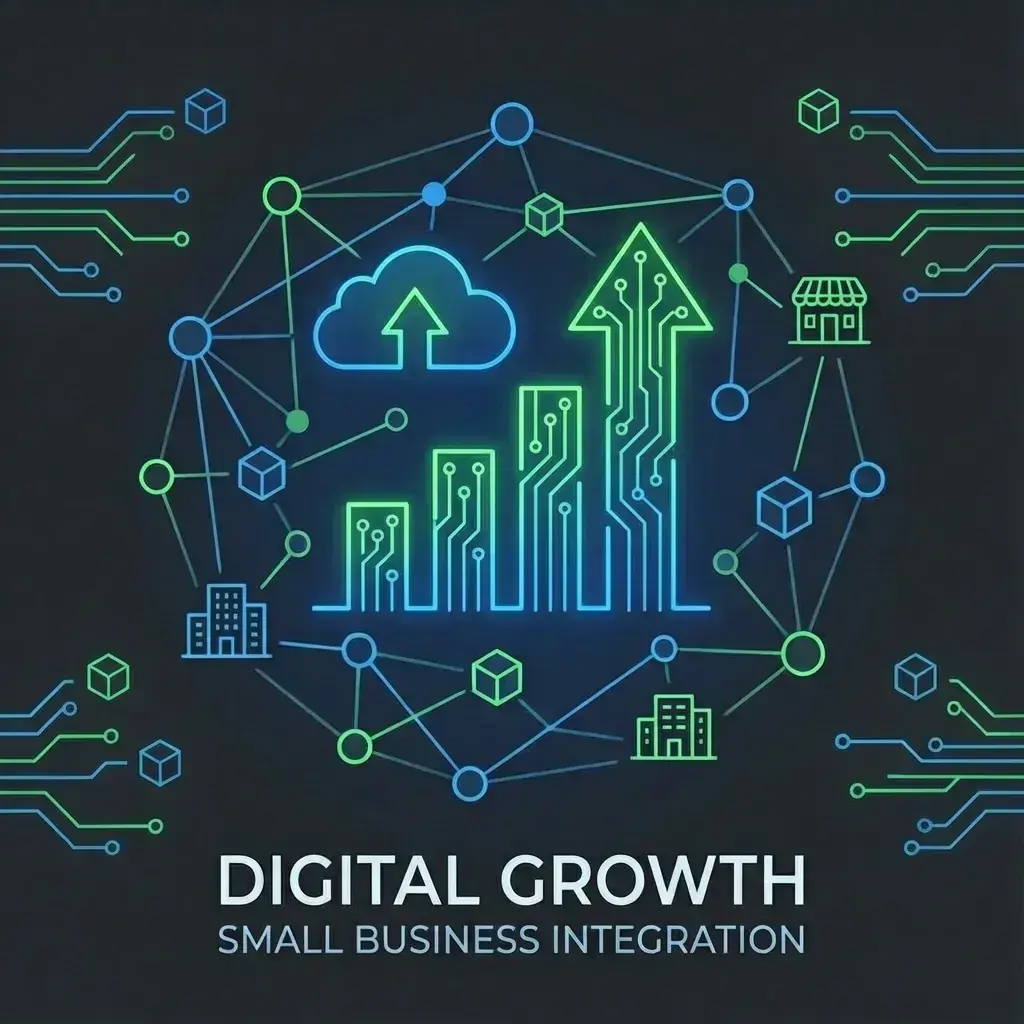
Enterprise Resource Planning (ERP) software is no longer reserved for large corporations. Small and medium-sized businesses (SMBs) increasingly adopt ERP systems to unify their operations, reduce manual work, and gain real-time insights. Unlike standalone tools, ERP integrates multiple functions-finance, HR, sales, inventory, and supply chain-into a single platform, enabling SMBs to operate more efficiently and competitively.
Why SMBs Need ERP
- Cost Efficiency: Cloud-based ERP solutions reduce upfront IT costs and scale with business growth.
- Automation: Minimizes repetitive tasks like invoicing, payroll, and inventory tracking.
- Data Visibility: Provides real-time dashboards for better decision-making.
- Customer Experience: Integrated CRM modules improve customer engagement and retention.
- Scalability: ERP systems grow with the business, supporting expansion into new markets.
Trends in ERP for SMBs
- Cloud Adoption: Most SMBs prefer SaaS ERP for flexibility and lower costs.
- AI & Automation: Predictive analytics and automated workflows are becoming standard.
- Mobile ERP: Remote access ensures teams can manage operations anywhere.
- Industry-Specific Solutions: ERP vendors now offer tailored modules for retail, manufacturing, and services.
Conclusion
For SMBs, ERP software is not just a back-office tool-it�s a growth enabler. By consolidating processes, improving visibility, and reducing costs, ERP empowers SMBs to compete with larger enterprises. Choosing the right ERP depends on industry, budget, and scalability needs, but solutions like Dynamics 365, NetSuite, SAP Business One, Odoo, and Sage Intacct stand out as reliable options.