
India's interior design industry faces a growing workforce challenge. As project demand increases, finding skilled workers and experienced site professionals is becoming more difficult. For interior design and design-build firms, the solution cannot depend on hiring alone. Clear task ownership, structured attendance, better site coordination, and improved workforce visibility can help businesses make more effective use of their existing teams.
Why India's Interior Design Industry Is Facing a Skilled-Labour Shortage
India's interior design and construction-related sectors are experiencing growing demand for skilled professionals.
An estimate attributed to the National Skill Development Corporation (NSDC) projects a shortage of approximately 12 lakh skilled professionals in the interior design sector.
As residential, commercial, and design-build projects expand, businesses need skilled carpenters, installers, electricians, site supervisors, and other execution professionals.
However, increasing workforce capacity is not always straightforward. Skilled workers may already be committed to ongoing projects, experienced supervisors may be difficult to recruit, and newly hired employees often require time to understand a company's execution standards.
For growing interior firms, this creates a difficult situation: project commitments continue to increase, but the available workforce may not expand at the same pace. The challenge is not simply finding more workers. It is ensuring that existing teams are assigned, coordinated, and managed effectively.
Why Hiring More People Isn't Always the Immediate Solution
When site execution slows down, hiring additional employees may seem like the obvious response. But recruitment takes time, and adding people does not automatically solve operational problems.
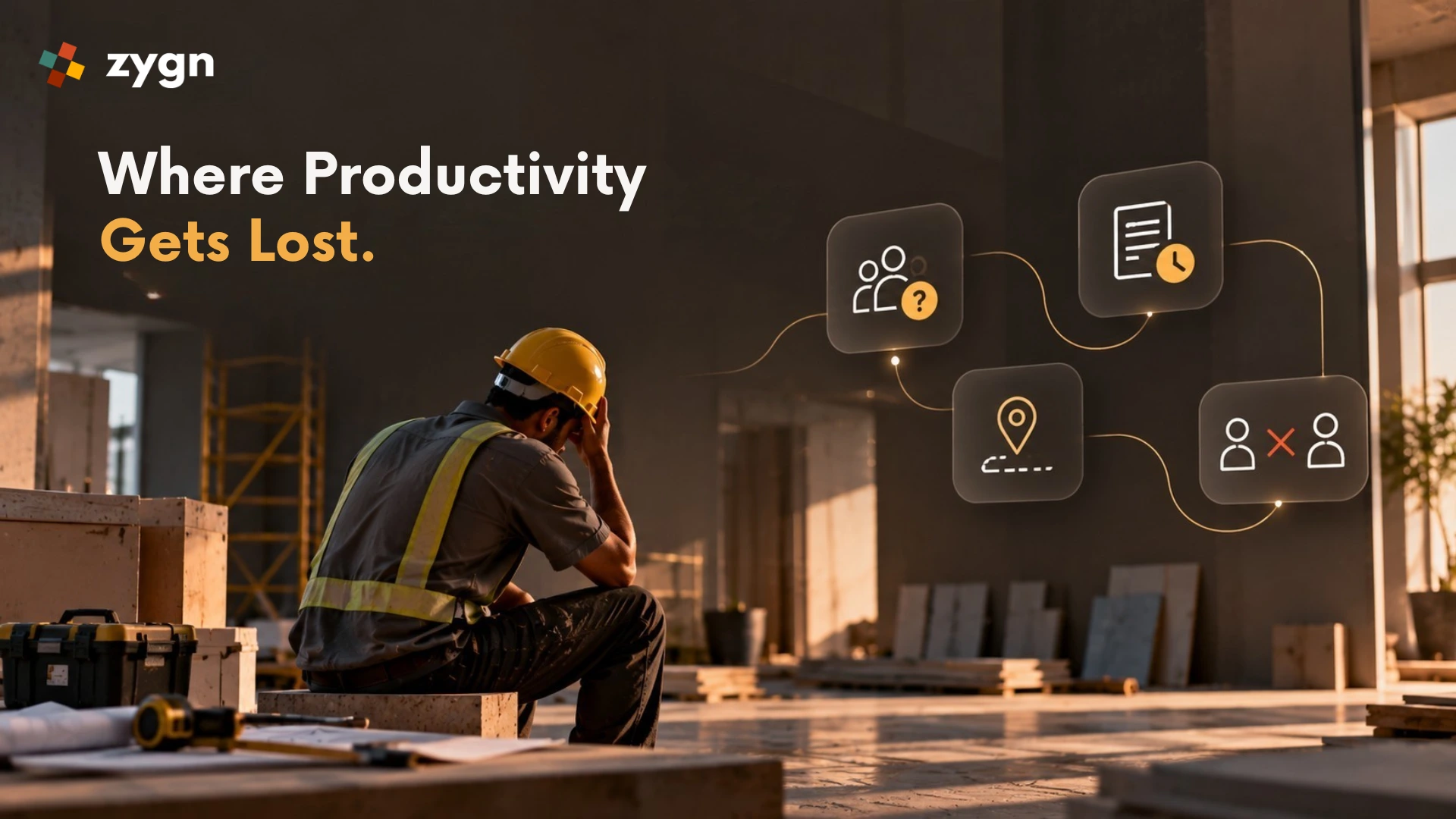
A firm may have enough workers available yet still experience delays because responsibilities are unclear, tasks are assigned informally, or site managers lack visibility into daily progress. For example, one site team may be waiting for materials while another team has available capacity. A supervisor may spend hours following up on work that was never clearly assigned. Employees may receive conflicting instructions because project updates are scattered across calls and messages.
These situations reduce productivity even when the workforce itself is capable. Before increasing headcount, interior businesses need to understand how effectively their existing teams are being utilized.
The Hidden Workforce Challenges Affecting Interior Project Execution
One of the most common site-management problems is assigning work without defining who is responsible. A supervisor may tell a team to complete an installation, but without an individual owner, responsibility becomes difficult to track. When a task is delayed, managers may struggle to identify who was handling it or what prevented completion. Clear task ownership helps reduce confusion: every important activity should have a defined responsibility, expected completion date, and visible status.
Attendance is an important part of workforce management, particularly when employees work across different project sites. However, manual registers, phone calls, and informal updates can make attendance records difficult to consolidate. HR teams may spend additional time collecting information from site supervisors and verifying employee presence. Incomplete records can also create confusion during payroll preparation. Structured attendance records help businesses maintain more reliable workforce information and reduce repetitive administrative work.
Interior design firms frequently manage several projects simultaneously. Employees and supervisors may be distributed across different locations, making it difficult for management to understand where work is progressing and where support is required. Without centralized site updates, managers often depend on individual calls or messages to understand project status. This creates delays in identifying problems and reallocating available resources.
Designers, project managers, procurement teams, and site supervisors all contribute to project execution. When these teams operate with disconnected information, site workers may receive outdated instructions or wait for approvals and materials. The result is lost productive time. A skilled employee cannot complete an installation if the required material has not arrived or the latest design approval is unavailable. Better coordination helps ensure that available labour can be used effectively.
Site supervisors are responsible for execution quality, employee coordination, daily progress, and issue resolution. But they may also spend considerable time preparing attendance reports, updating spreadsheets, following up on tasks, and communicating status to management. As project volume increases, these administrative activities can consume a significant part of the working day. Reducing repetitive reporting allows supervisors to spend more time supporting actual execution.
Why Task Assignment Matters When Teams Are Already Stretched
When workforce capacity is limited, every task needs clear ownership. Consider a commercial interior project involving carpentry, electrical work, painting, and final installation. Each activity requires coordination between different employees and may depend on the completion of earlier work.
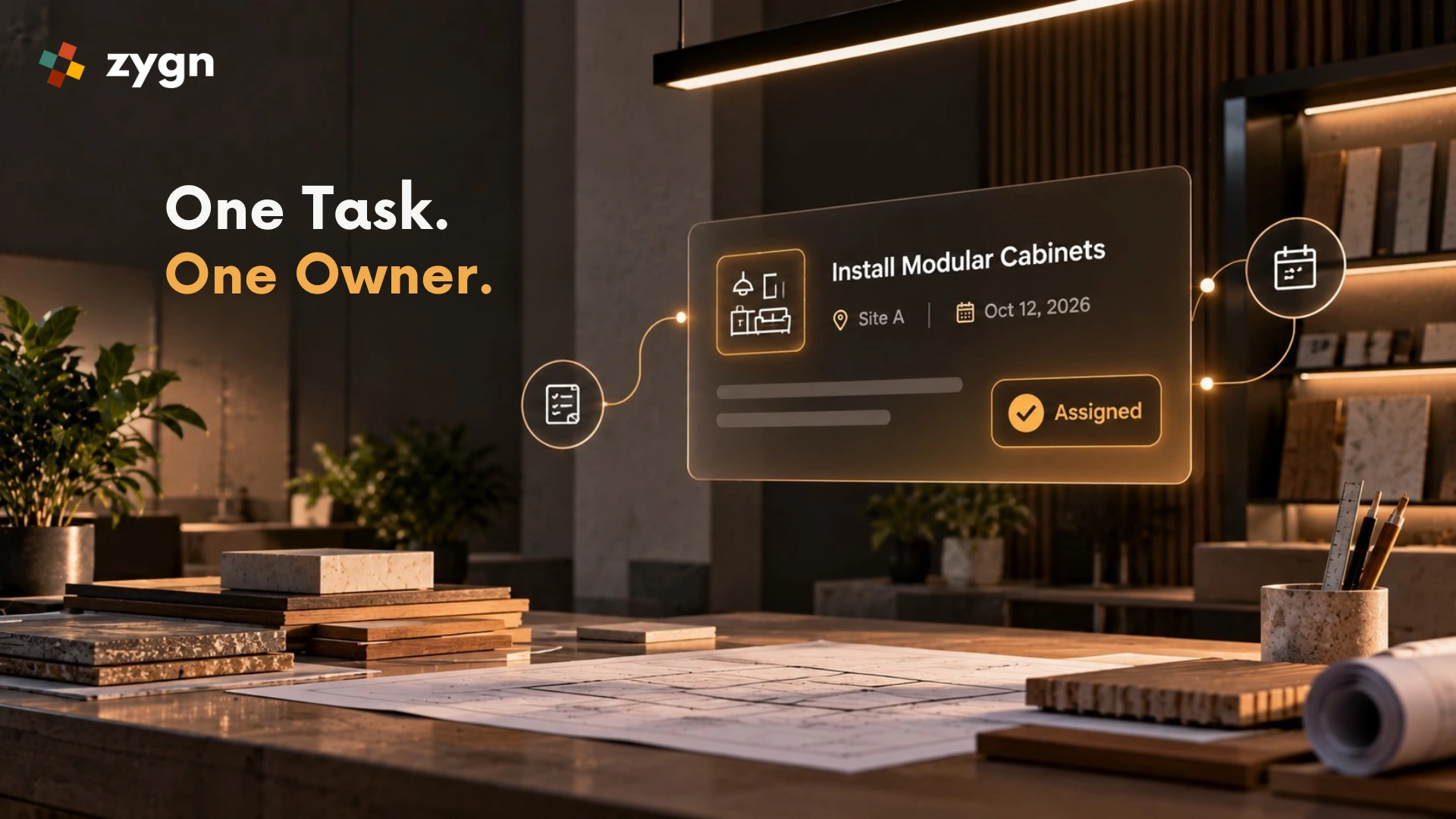
If responsibilities are assigned informally, managers may not know which activities are in progress, which are pending, or which employee is accountable. Structured task assignment helps address this problem. A task should clearly communicate:
- What work needs to be completed
- Who is responsible for completing it
- When the work is expected to be finished
- Whether the activity is pending, in progress, or completed
This makes daily execution easier to coordinate. Instead of repeatedly asking who is handling a particular activity, managers can review the assigned responsibility and follow up with the relevant person. Clear task ownership does not increase the number of workers available, but it can reduce avoidable confusion and delays.
How Better Attendance Management Supports Workforce Planning
Attendance records are more than an administrative requirement. They help businesses understand employee availability and support workforce planning.
For example, a company managing three active interior projects needs reliable information about which employees are present, absent, or assigned to different locations. When attendance information is scattered across registers and messages, management may struggle to maintain a consistent view.
Structured attendance tracking helps HR and operations teams work with more reliable records. It can also reduce manual consolidation during payroll preparation. For businesses with employees distributed across several sites, better attendance visibility supports clearer coordination between HR, project managers, and site supervisors.
However, attendance alone does not measure productivity. Managers should consider task completion, work quality, and project progress alongside attendance records.
Site Tracking: Knowing What's Happening Without Constant Follow-Ups
One of the biggest challenges in interior site management is maintaining accurate progress information. A project manager may oversee multiple sites while spending much of the day requesting updates from supervisors.
When progress is communicated only through calls or informal messages, important information can be missed. Structured site tracking creates a more consistent way to record project activities and execution updates.
Managers can review the progress information available for each project, identify pending activities, and coordinate with the responsible teams. This is particularly valuable when the same management team oversees several projects. Instead of relying entirely on repeated conversations, teams can maintain a clearer record of work in progress. Connected interior project management software can support this approach by keeping project activities and responsibilities organized in one environment.

Making Better Use of Existing Site Teams
Consider a hypothetical interior design firm managing four active projects with a limited workforce. Without structured coordination, site supervisors may spend several hours each week clarifying responsibilities, gathering attendance records, and reporting task status. Some activities may remain pending because no individual owner was assigned. Other tasks may be delayed because required information was not communicated in time.
Now consider the same firm using a more structured approach. Employee attendance is recorded consistently, tasks are assigned to specific individuals, project managers review pending activities and progress updates centrally, and HR teams work with organized employee records instead of repeatedly collecting information from different sources.
The workforce size remains unchanged, but the company has a clearer understanding of how its available capacity is being used. This does not guarantee faster completion of every project. Actual productivity also depends on skills, materials, supervision, site conditions, and workload. However, it can reduce avoidable coordination problems that consume valuable working time.
How Interior Firms Can Improve Workforce Efficiency Without Increasing Headcount
Avoid assigning responsibilities vaguely to an entire team. Define clear task owners so employees understand their responsibilities and managers know whom to contact for updates.
Use a consistent process for recording employee attendance across project locations. This helps HR teams maintain organized records and supports workforce planning.
Site managers should review incomplete activities, upcoming deadlines, and potential blockers. Identifying problems early gives teams more time to respond.
Ensure that project instructions, design updates, procurement information, and task responsibilities are accessible to the teams that need them. This reduces confusion caused by outdated or incomplete communication.
Employee presence is important, but it does not automatically indicate productive work. Managers should also review task completion, execution quality, and project milestones.
Where possible, maintain attendance, task information, and project updates in structured systems rather than repeatedly consolidating records manually. This can help supervisors focus more attention on execution.
How ZYGN Helps Interior Firms Manage Site Teams
ZYGN is designed for professional interior design and design-build businesses that need to coordinate employees, projects, and site operations within a connected system. Its Human Resources, task management, and Site Operations capabilities support more structured workforce coordination.
Human Resources: ZYGN helps businesses maintain organized employee information and attendance records, supporting HR administration and payroll preparation.
Task Assignment: Tasks can be linked to specific employees, helping managers define responsibilities and review progress with clearer ownership.
Site Operations: ZYGN provides a structured environment for managing site-related activities and progress information, reducing dependence on scattered updates.
Connected Project Management: By bringing HR, tasks, project management, and other business functions into one platform, ZYGN supports coordination between office and site teams.
For interior firms facing hiring constraints, this connected approach can help management make more informed use of available workforce capacity. ZYGN does not replace skilled workers or eliminate the need for recruitment. Its value lies in supporting clearer coordination, responsibility, and operational visibility. Businesses can explore ZYGN's ERP for interior design to understand how these functions fit into a connected interior business management platform.
Frequently Asked Questions
Why is there a skilled labour shortage in the interior design industry?
Growing demand for residential and commercial interiors increases the need for trained workers and experienced site professionals. Recruitment challenges, skill gaps, and competition for qualified employees can make it difficult for firms to expand their workforce quickly.
How can interior design companies manage projects with fewer workers?
Companies can improve coordination by assigning clear task owners, maintaining reliable attendance records, reviewing site progress, and reducing delays caused by missing information. These practices help teams use available capacity more effectively.
How does task management improve site productivity?
Task management makes responsibilities, deadlines, and progress easier to track. When employees understand their assigned work and managers can identify pending activities, teams can reduce avoidable confusion and repeated follow-ups.
Why is attendance tracking important for interior site teams?
Attendance tracking helps businesses maintain reliable records of employee availability across different locations. It also supports HR administration, workforce coordination, and payroll preparation.
Can site management software replace additional hiring?
No. Software cannot replace the technical skills or physical capacity required for execution. However, it can help businesses improve coordination, reduce administrative effort, and identify operational inefficiencies before increasing headcount.
How does ZYGN support workforce management for interior businesses?
ZYGN connects employee information, attendance, task responsibilities, and site operations within its interior business management platform. This helps businesses maintain more structured records and coordinate work across projects.
Conclusion: When Hiring Is Difficult, Better Coordination Matters More
The skilled-labour shortage presents a significant challenge for India's growing interior design and design-build industry. As project demand increases, businesses cannot always expand their teams at the same pace.
But workforce efficiency is not determined by headcount alone. Clear task ownership, reliable attendance records, structured site updates, and better coordination between office and site teams can help reduce avoidable operational delays.
For growing interior firms, the priority should be to make effective use of available talent while continuing to invest in hiring, training, and employee development. A connected operating system provides the visibility and structure needed to support that effort.

Make Every Team Member's Work Count
Bring HR, attendance, task assignment, and site operations into one connected system with ZYGN.